New publication: Gómez-Brandón et al. (2025) J Environ Manag 386, 125774
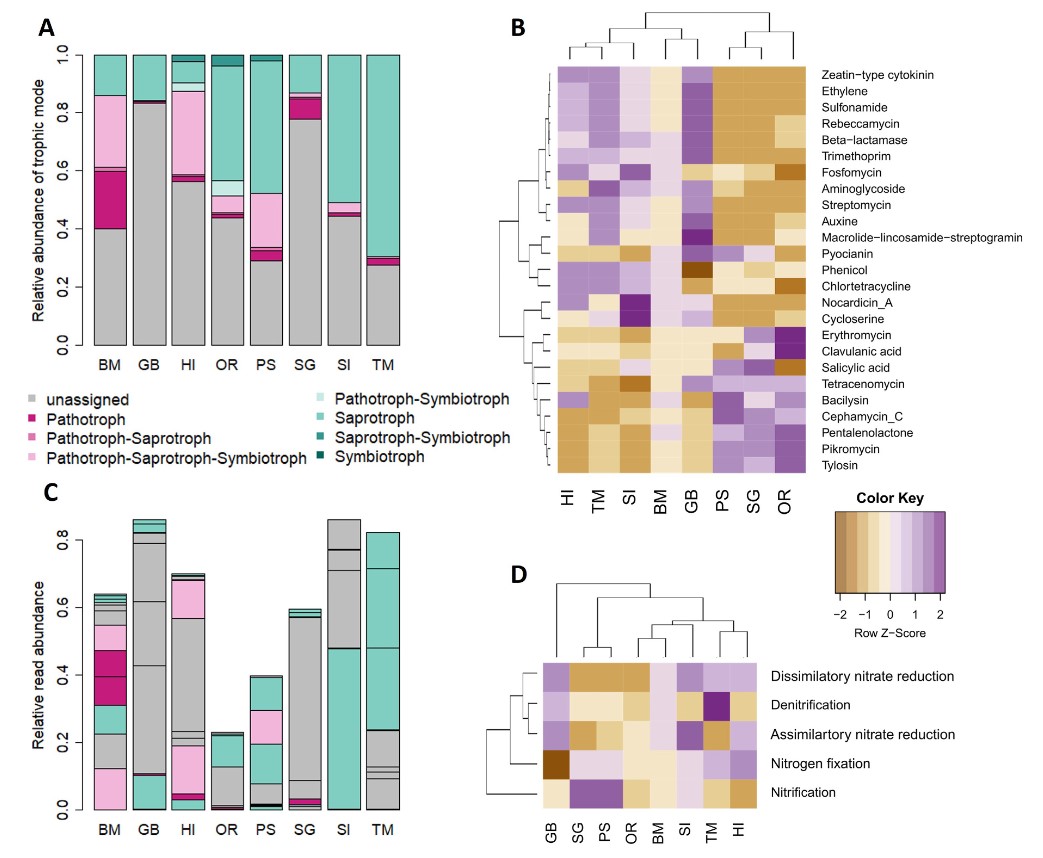
This new multispecies study explores the safety, microbial composition, and functional potential of frass fertilizers produced by eight edible insect species reared on various organic waste streams. The research demonstrates that frass from these insects generally meets regulatory standards for heavy metals and pathogenic bacteria, with Salmonella absent and other pathogens and metals within safe limits for organic fertilizers. Notably, the microbial communities in frass are highly influenced by the insect species and their diet, with some frass types-particularly those from Oryctes rhinoceros and Pachnoda sinuata-showing the highest bacterial and fungal diversity. Functional profiling revealed that these microbial communities include bacteria involved in antibiotic and phytohormone production, as well as nitrogen metabolism, and fungi that play key roles in organic matter decomposition and pathogen suppression. The findings highlight the dual benefits of insect frass as a hygienic, nutrient-rich organic fertilizer and as a source of beneficial microbes that can enhance soil health, promote plant growth, and contribute to bioremediation. The study underscores the need for species- and substrate-specific quality standards and further research into the long-term agronomic and ecological impacts of applying insect frass to agricultural soils, paving the way for its broader adoption in sustainable and circular farming systems.
Link to full study: doi.org/10.1016/j.jenvman.2025.125774